Ductless Mini-Split Heating & Cooling Across Los Angeles County
Temp Air System provides ductless mini-split installation, repair, replacement, maintenance, and system guidance throughout Los Angeles County. With locations in Los Angeles, Manhattan Beach, and La Puente, our service footprint extends from the South Bay through central Los Angeles and east toward the San Gabriel Valley.
A mini-split can solve comfort problems that are difficult to address with a conventional ducted HVAC system. Depending on the property, ductless equipment may be used for a single warm bedroom, a home office, an ADU, a converted garage, several independently controlled rooms, or a larger heating and cooling project.
The right solution starts with the building rather than the equipment. Temp Air System helps property owners evaluate room use, existing HVAC equipment, ductwork, comfort priorities, zoning needs, installation conditions, and equipment placement before determining which type of mini-split configuration deserves consideration.
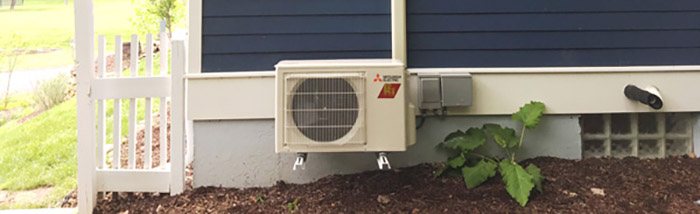
Mini-Split Service Across Our Core Los Angeles County Territory
Installation • Replacement • Repair • Maintenance • Single-Zone • Multi-Zone • Heat Pumps
What Is a Ductless Mini-Split System?
A ductless mini-split is an HVAC system that conditions individual indoor spaces without relying on the traditional network of supply and return ducts used by central heating and air conditioning systems.
A typical system uses an outdoor unit connected to one or more indoor units. The indoor equipment delivers conditioned air directly into the space it serves, while refrigerant lines, electrical wiring, and condensate drainage connect the indoor and outdoor portions of the system.
Many modern mini-splits use heat-pump technology, allowing compatible systems to provide both heating and cooling. Homeowners comparing ductless technology with other equipment can explore our heating and air conditioning services or learn more about heat pump systems.
DUCTLESS COMFORT
How Does a Mini-Split System Work?
The indoor unit circulates room air across the system’s heat exchanger. Depending on the operating mode, the system transfers heat between the indoor and outdoor environments while delivering conditioned air directly back into the room.
Because conditioned air does not have to travel through a long network of ducts, mini-splits can be particularly useful in rooms or additions where extending the existing duct system would be difficult.
The exact configuration varies by equipment and application, which is why system selection, placement, and professional installation remain important.
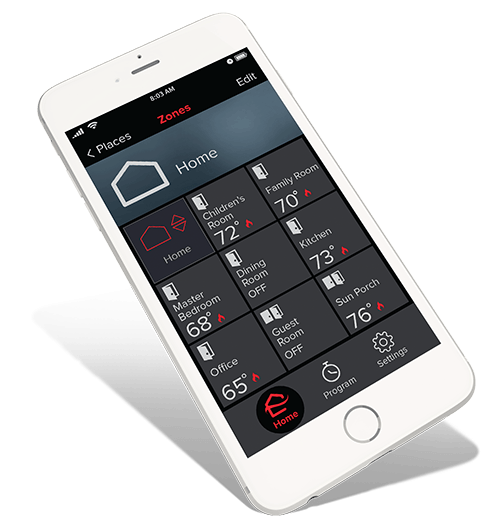
Where Can a Mini-Split Make the Most Sense?
Ductless HVAC can be especially useful when the comfort problem is concentrated in one part of a property or when modifying the existing duct system would be difficult, disruptive, or impractical.
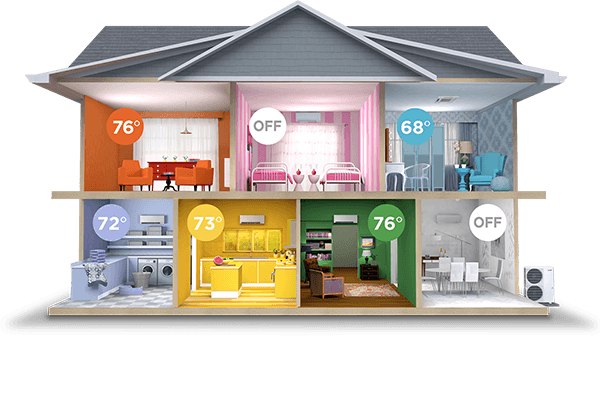
COMMON APPLICATIONS
Mini-splits may be worth evaluating for:
- Bedrooms that consistently run warmer or cooler than the rest of the home
- Home offices and bonus rooms
- Room additions and ADUs
- Converted garages and guest spaces
- Older properties where extending ductwork is difficult
- Remodeled spaces with different heating and cooling requirements
- Multi-level homes with uneven temperatures
- Spaces where independent temperature control is important
Ductless equipment is not automatically the best solution for every home. Properties with usable ductwork, larger whole-home comfort requirements, or different installation constraints may benefit from comparing mini-split and central HVAC options before choosing equipment.
Single-Zone vs. Multi-Zone Mini-Split Systems
One of the first decisions in a ductless project is whether one defined space needs independent comfort or whether several areas should operate as separate heating and cooling zones.
Single-Zone
One Defined Area
A single-zone system may be considered for a bedroom, home office, addition, converted garage, guest area, workshop, or another individual space.
Multi-Zone
Several Independent Areas
A multi-zone configuration can connect multiple compatible indoor units so different rooms or portions of the property can maintain separate comfort settings.
SYSTEM CONFIGURATION
How Many Mini-Split Zones Do You Need?
The answer depends on more than the number of rooms in the property. Room layout, occupancy, heating and cooling requirements, equipment capacity, indoor-unit placement, and how occupants want to control different spaces can all affect zone planning.
One home may only need a single dedicated zone, while another property may require several independently controlled areas.
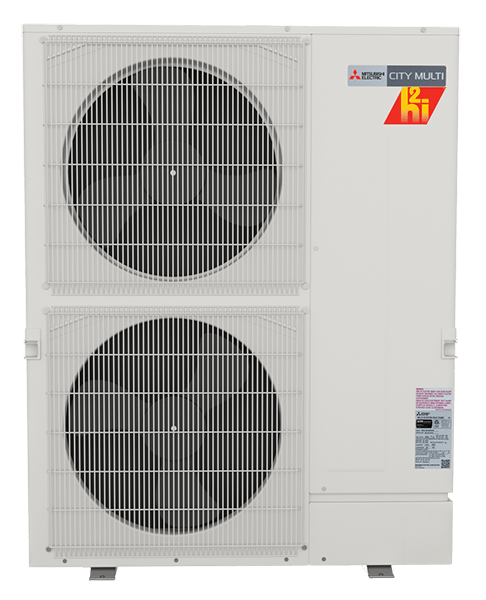
Planning a Mini-Split Installation in Los Angeles County
A quality mini-split installation involves considerably more than selecting an indoor unit and mounting it to a wall. The system needs to be planned around the property and the heating and cooling conditions each zone must handle.
A professional evaluation may consider:
- Room dimensions and layout
- Window area and sun exposure
- Insulation and building-envelope conditions
- Existing HVAC equipment and ductwork
- The number of desired comfort zones
- Indoor-unit placement and air distribution
- Outdoor-unit placement and service access
- Condensate drainage
- Electrical requirements
- How each space is occupied and used
Those considerations matter because the correct HVAC capacity cannot be determined from room square footage alone. System design should reflect the actual building and its heating and cooling requirements.
WATCH & LEARN
See Ductless Mini-Split Technology in Action
This video provides another way to become familiar with ductless heating and cooling equipment before discussing a specific installation or replacement project with an HVAC professional.
Can Mini-Splits Heat and Cool an Entire Home?
Mini-splits can serve larger portions of a home in some applications, but a whole-home ductless project requires more planning than simply installing additional indoor units.
A larger project may require several zones, careful equipment selection, appropriate placement, and an evaluation of how individual rooms interact with one another. For some properties, a multi-zone ductless system may be appropriate. For others, replacing or retaining a central system—or combining HVAC approaches—may make more sense.
Existing ductwork, floor plan, room separation, actual heating and cooling requirements, and homeowner priorities should all be considered before choosing a whole-home strategy.
If you are specifically researching Mitsubishi Electric equipment, visit our dedicated Mitsubishi ductless HVAC resource.

INDOOR UNIT CARE
What About Mini-Split Filters and Indoor Air?
Ductless indoor units typically include filters designed to help capture particles before room air moves across the equipment. Specific filtration features vary by manufacturer and model.
Filters should be inspected and cleaned or replaced according to the equipment manufacturer’s recommendations. Dirty filters can restrict airflow and negatively affect system performance.
A mini-split filter should not automatically be treated as a substitute for a dedicated whole-home indoor air quality strategy. Customers with broader air-quality concerns should discuss those goals separately during an HVAC evaluation.
Mini-Split Repair & Troubleshooting
Ductless equipment can develop performance problems just like other heating and cooling systems. The visible symptom provides useful information, but it does not always reveal the underlying cause.
Mini-split problems that may require professional diagnosis include:
- Weak or inconsistent heating and cooling
- Reduced airflow from an indoor unit
- System or communication error codes
- Indoor units that repeatedly stop and restart
- Unusual noises during operation
- Water or condensate drainage problems
- Sensor or control problems
- Refrigerant-related performance concerns
- One zone operating differently from the others
For additional information about one issue that can affect ductless equipment, read our guide explaining why ductless mini-splits can develop refrigerant leaks.
Do Mini-Splits Need Regular Maintenance?
Yes. Ductless does not mean maintenance-free. Filters, indoor coils, outdoor components, condensate drainage, electrical connections, controls, and operating performance still require attention during the life of the system.
Routine professional service may include:
- Inspecting and cleaning accessible filters and coils
- Checking indoor and outdoor unit condition
- Reviewing airflow and temperature performance
- Checking condensate drainage
- Inspecting electrical connections and components
- Reviewing system controls and communication
- Investigating unusual operating conditions
Homeowners interested in recurring HVAC care can also review Temp Air System’s preventive maintenance and service agreement options.
Are Mini-Splits Energy Efficient?
Mini-splits can offer an efficient approach to heating and cooling when the equipment is properly selected, installed, operated, and maintained. Zoned control can also allow occupants to manage comfort separately in different areas rather than treating every room as one identical zone.
Actual energy use depends on equipment efficiency, system sizing, installation quality, building insulation, outdoor conditions, thermostat settings, maintenance, and occupant behavior.
For independent information about ductless heat-pump technology and efficiency, homeowners can review ENERGY STAR guidance for ductless heating and cooling.
DUCTLESS CONTROLS
Smart Controls and Zoned Comfort
Control capabilities vary by system and manufacturer. Compatible ductless systems may offer remote controls, scheduling, mobile access, and separate settings for different zones.
The Mitsubishi Electric video below demonstrates one example of smart ductless control technology. Customers interested specifically in Mitsubishi equipment can also visit our Mitsubishi Electric ductless page.
Looking for Mini-Split Service Specifically in Torrance?
Temp Air System maintains a separate location-specific resource for Torrance homeowners and businesses. Visit our mini-split systems in Torrance, CA page for information focused specifically on that community.
This Los Angeles County page serves a different purpose: helping customers understand ductless systems and available mini-split services throughout Temp Air System’s broader core service territory.
LOS ANGELES COUNTY COVERAGE
Local Mini-Split Service Across Our Core Territory
Temp Air System has locations in Los Angeles, Manhattan Beach, and La Puente, supporting customers across the South Bay, central Los Angeles, and communities extending toward the San Gabriel Valley.
Our core mini-split service territory includes Los Angeles, Manhattan Beach, La Puente, Torrance, Redondo Beach, Long Beach, Carson, Rancho Palos Verdes, and nearby Los Angeles County communities.
Why Work With Temp Air System for a Mini-Split Project?
A ductless system should be designed around the property rather than treated as a generic appliance installation. Temp Air System can help customers evaluate where mini-splits make sense, how many zones may be appropriate, how the equipment fits alongside existing HVAC, and what ongoing service the system may require.
Customers can also review our HVAC certifications and professional qualifications before scheduling service.
Considering a Mini-Split System in Los Angeles County?
Request an assessment for ductless mini-split installation, replacement, repair, or maintenance within Temp Air System’s core Los Angeles County service area.
MINI-SPLIT FAQ
Frequently Asked Questions About Mini-Split Systems
What is the difference between a mini-split and central air conditioning?
Central HVAC typically distributes conditioned air through a network of ducts. A ductless mini-split delivers conditioned air directly into the individual area or zone served by its indoor unit.
Do mini-splits provide both heating and cooling?
Many modern mini-split systems use heat-pump technology and can provide both heating and cooling. Available capabilities vary by equipment and application.
Do mini-splits require existing ductwork?
No. Ductless systems deliver conditioned air directly into the areas they serve. That makes them useful in additions, converted spaces, older homes, and other locations where installing or extending conventional ductwork may be difficult.
Can one mini-split outdoor unit serve several rooms?
Compatible multi-zone systems can connect multiple indoor units to an outdoor system. Proper configuration depends on the number of zones and the heating and cooling requirements of each space.
Is a mini-split a good option for an ADU or converted garage?
Those are common situations where ductless HVAC may be worth considering because the space may have different comfort requirements or may not have practical access to the home’s existing duct system.
How do I know what size mini-split system I need?
Equipment selection should consider more than square footage. Layout, insulation, windows, sun exposure, occupancy, building conditions, and the actual heating and cooling requirements of the space can all influence proper system selection.
Can a mini-split cool several rooms with one indoor unit?
One indoor unit is primarily intended to condition the area where it is installed. Whether air can effectively reach adjacent spaces depends heavily on the floor plan and air movement, so properties requiring separate room control may benefit from multiple zones.
Do ductless mini-splits need regular maintenance?
Yes. Filters, coils, condensate drainage, outdoor equipment, electrical components, and operating performance should receive periodic attention to support dependable system operation.
Does Temp Air System service mini-splits outside Torrance?
Yes. Temp Air System serves a broader Los Angeles County territory including core areas around Los Angeles, Manhattan Beach, La Puente, Torrance, Redondo Beach, Long Beach, Carson, Rancho Palos Verdes, and surrounding communities.